Have you ever noticed this when listening to a speaker?
Some speakers deliver powerful bass from the very first moment. As the beat kicks in, it almost feels as though the entire room is vibrating. At first, the impact can be truly impressive.
But after listening for a while, you may notice that vocals are less clear, instrumental details are overshadowed, and certain songs begin to sound excessively boomy.
This raises an important question:
Does stronger bass necessarily mean better sound quality?
Not necessarily.
For a speaker, powerful bass can create an impressive listening experience. However, truly outstanding sound requires more than power. It also demands control, clarity, and balance.
Low frequencies play an essential role in music.
The impact of a drumbeat, the rhythm of a bass guitar, and the atmospheric sound effects in movies all depend on accurate low-frequency reproduction.
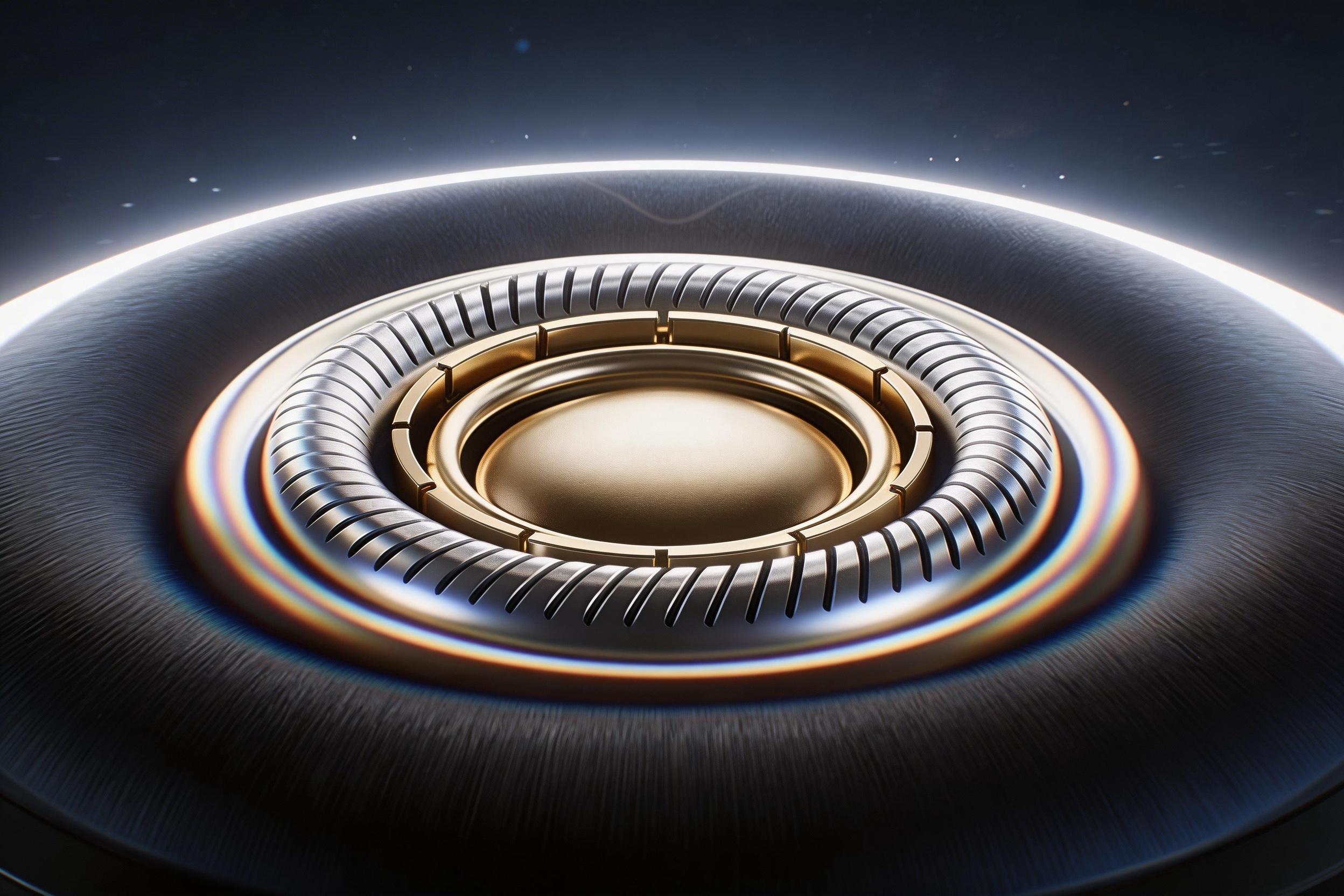
However, bass performance cannot be judged simply by how much a speaker can shake a room.
Some speakers deliberately boost certain low-frequency ranges to emphasize bass. While this can initially make the sound appear fuller and more powerful, it may also result in excessive bass decay and noticeable boominess.
This becomes particularly apparent in fast-paced music. If the bass continues to linger after each drumbeat, individual beats can begin to overlap, reducing rhythmic clarity.
Good bass should deliver power when needed and decay promptly when the musical note ends.
It should offer both impact and definition.
This is one of the key considerations in professional acoustic tuning.
When evaluating a speaker, many listeners focus first on bass performance while overlooking an equally important aspect of everyday listening: vocal clarity.
Whether listening to pop music, singing karaoke at home, or enjoying audiovisual entertainment, vocals carry essential information.
Excessive bass can mask parts of the midrange, making vocals sound recessed and lyrics less intelligible.
Conversely, excessive emphasis on high frequencies may make vocals sound brighter, but it can also introduce harshness and listening fatigue.
Therefore, what truly matters is maintaining an appropriate balance between low, mid, and high frequencies.
Bass should have power, vocals should have natural body and presence, and high frequencies should reveal detail—without any part of the sound overwhelming the others.
Achieving this requires more sophisticated overall speaker design and tuning than simply emphasizing a single frequency range.
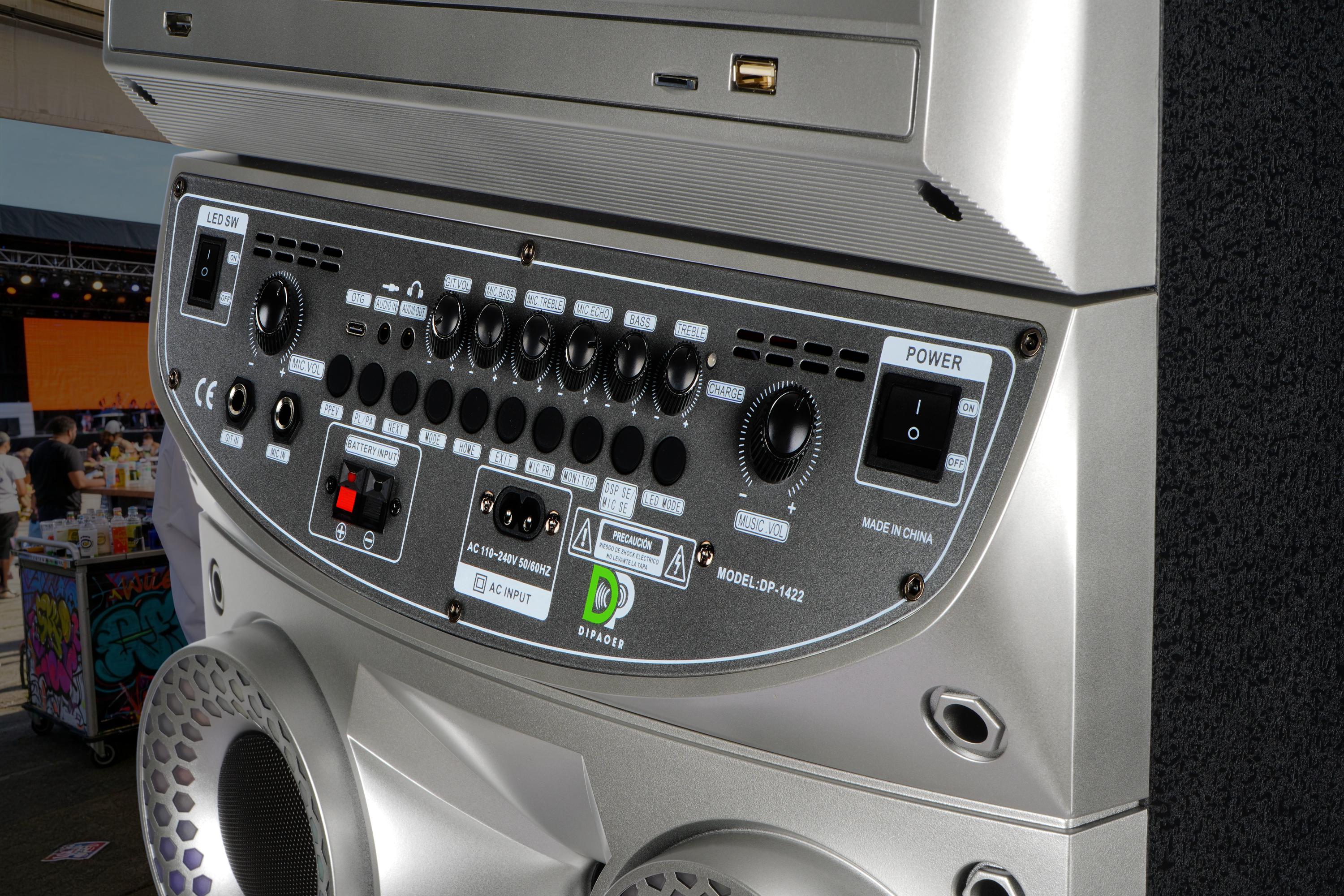
When it comes to adjusting sound quality, many people immediately think of an equalizer (EQ).
Boosting the bass or enhancing the treble may seem as simple as adjusting a few settings.
In reality, however, a speaker's final sound performance results from the combined interaction of multiple acoustic and electronic systems.
Speaker drivers determine the fundamental reproduction capabilities across different frequency ranges. Enclosure design influences the internal acoustic environment and resonance characteristics. Amplification and crossover design affect signal amplification and the integration of different drivers. Digital Signal Processing (DSP) can further optimize frequency response and dynamic performance.
These components do not operate independently.
Even when speakers use drivers of the same size, differences in enclosure design, system integration, and acoustic tuning can produce significantly different listening experiences.
Therefore, a speaker's technical sophistication cannot be evaluated solely by the size of its woofers or the power rating listed in its specifications.
What truly matters is whether the entire system works in harmony to reproduce sound naturally and faithfully.
Of course, balanced sound does not mean that every speaker should have exactly the same tuning characteristics.
Party music benefits from rhythmic energy and powerful bass impact. Home karaoke requires greater attention to vocal clarity and the balance between vocals and accompaniment. Everyday music listening may place greater emphasis on natural sound, fine detail, and long-term listening comfort.
Different products can have their own distinctive sound signatures.
However, no particular tuning style justifies excessively boosting a single frequency range.

At DIPAOER, we focus not only on how loud a speaker can play, but also on how well it performs in its intended listening environment.
From party speakers and video speakers to wooden cabinet speakers, different product categories have distinct acoustic design priorities.
Through carefully considered driver configurations, system integration, and acoustic tuning, we aim to ensure that each product delivers sound performance suited to its intended applications.
Truly exceptional sound does not necessarily capture your attention in the first second with overwhelming bass.
It may be the perfectly controlled impact of a drumbeat, the clear and natural presence of a singer's voice, or the ability to distinguish individual instruments even when they are playing together.
More importantly, it should make you want to listen to another song after the first one ends.
Bass delivers impact, balance brings refinement, and thoughtful tuning allows both to coexist.
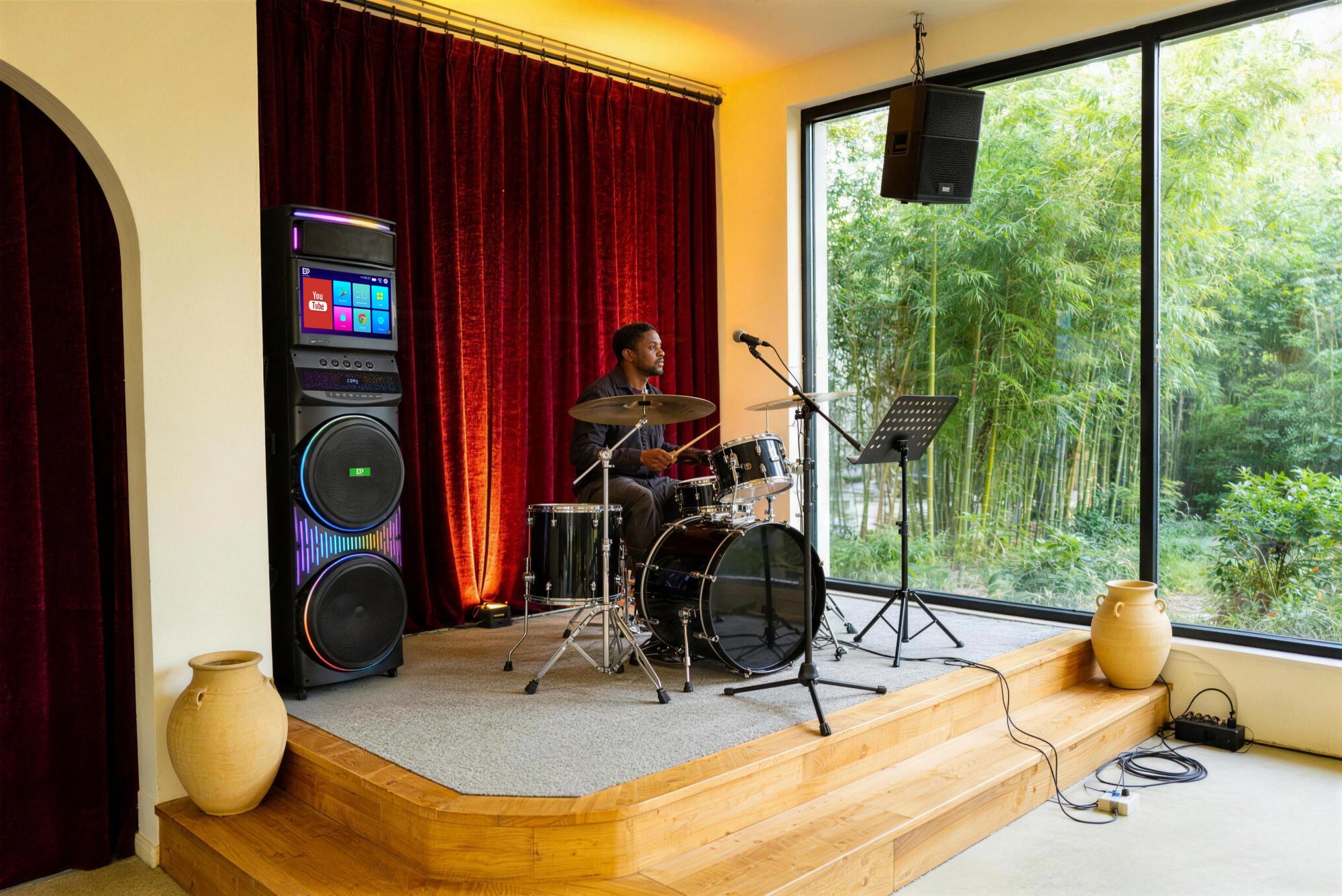
At DIPAOER, we believe professional sound design is not about pushing a particular frequency range to its limits. It is about understanding sound, respecting music, and finding the right balance between different listening needs.
Because a great speaker should do more than simply let you feel the power of sound.
It should allow you to hear the full richness of the music itself.

Copyright © Guangzhou Xinyang Electronic Technology Development Co., Ltd. All Rights Reserved. 粤ICP备2025507395号 Sitemap XML DIPAOER